
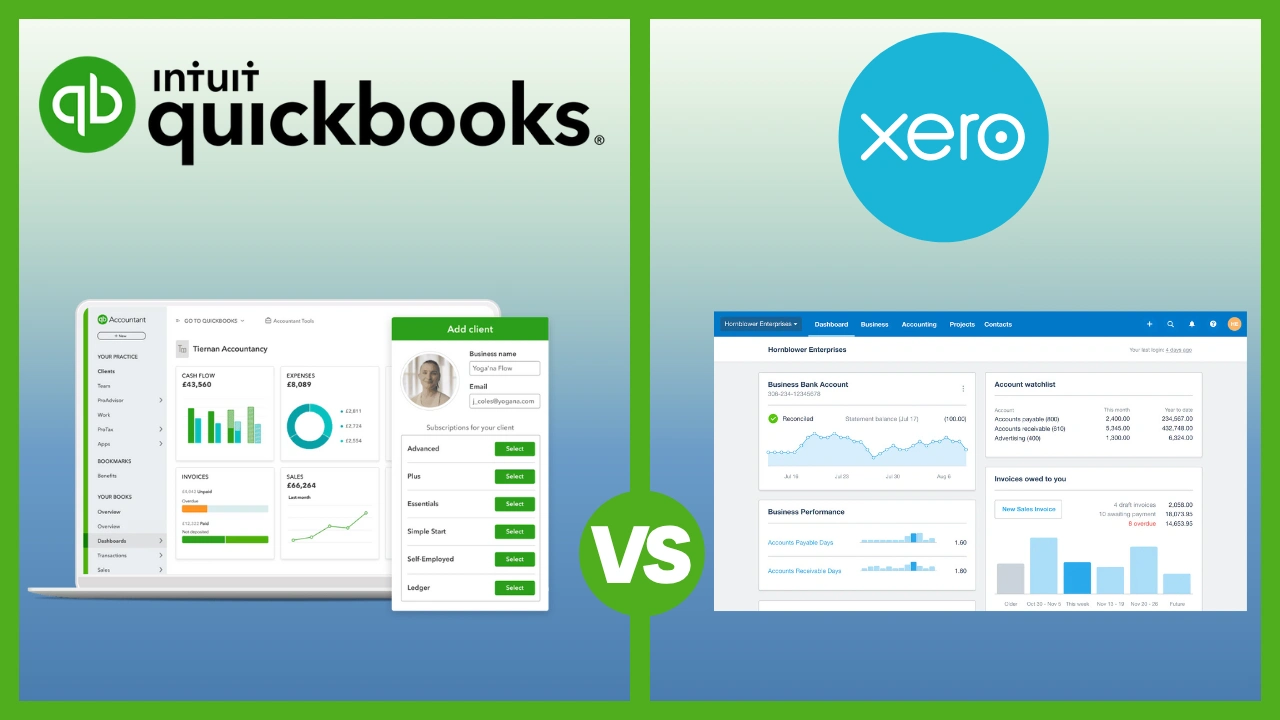
The competition between two industry titans, QuickBooks and Xero, has reached new heights in 2026. As businesses navigate the complexities of modern accounting, the choice between these two powerhouses has become a critical decision that can make or break a company’s financial success.

“Intuit Intelligence” vs. “JAX”: Which AI Assistant Actually Does the Work?
At the heart of the QuickBooks vs. Xero debate in 2026 lies the battle of the AI assistants. QuickBooks has unveiled its groundbreaking “Intuit Intelligence” technology, which harnesses the power of artificial intelligence to automate a wide range of accounting tasks, from invoice generation to expense tracking.
Xero, on the other hand, has introduced its own AI-driven assistant, “JAX,” which aims to revolutionize the way businesses manage their finances. Both Intuit Intelligence and JAX promise to streamline accounting workflows, provide intelligent insights, and free up valuable time for business owners and finance professionals.
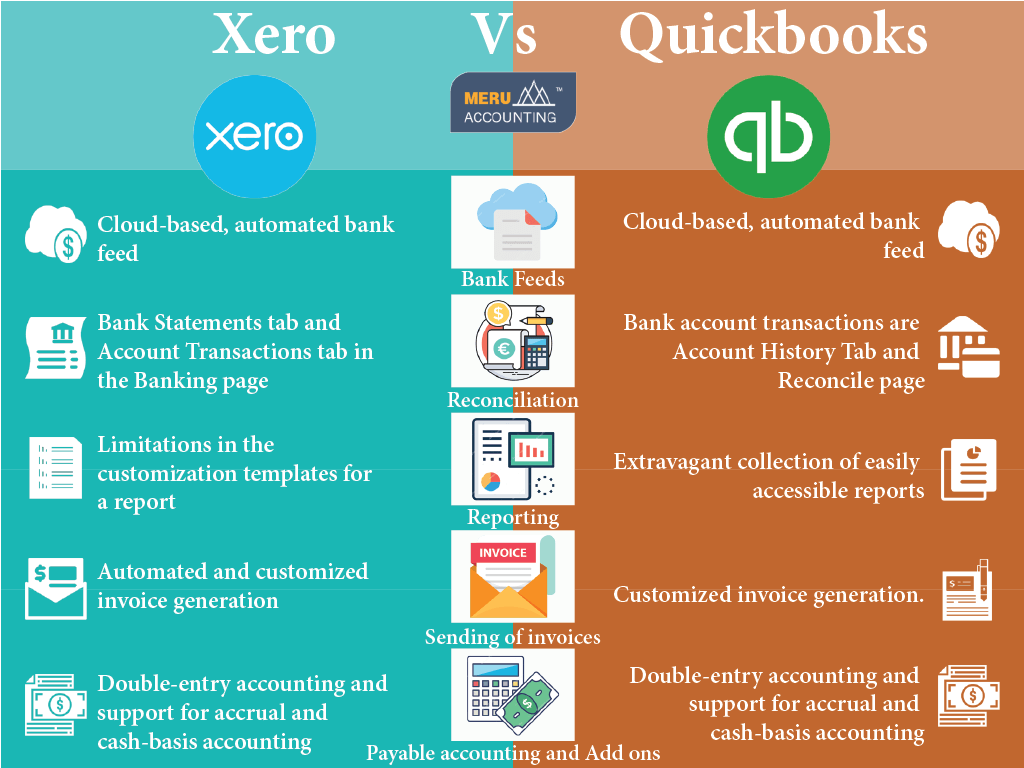
The Autonomous Ledger: Comparing 2026 Bank Feed Automation
One of the most critical features in modern accounting software is the ability to seamlessly integrate with financial institutions and automate the reconciliation process. In 2026, both QuickBooks and Xero have made significant strides in this area, offering advanced bank feed automation capabilities.
QuickBooks’ “Autonomous Ledger” leverages AI and machine learning to automatically match transactions, categorize expenses, and reconcile bank statements, reducing the manual effort required by users. Xero’s bank feed integration, on the other hand, has also been enhanced with intelligent algorithms that learn from user behavior, streamlining the reconciliation process for businesses of all sizes.
User Experience: Xero’s Modern Interface vs. QuickBooks’ Feature Depth
When it comes to user experience, the two accounting giants have taken divergent paths in 2026. Xero has maintained its reputation for a sleek, intuitive interface that caters to the needs of modern, digitally-savvy businesses. The platform’s clean design and easy navigation make it a popular choice for small and medium-sized enterprises.
QuickBooks, on the other hand, has continued to expand its feature set, offering a more comprehensive suite of accounting tools and functionality. While the user interface may not be as visually appealing as Xero’s, QuickBooks’ depth of features and customization options appeal to businesses that require a more robust, enterprise-level accounting solution.
Multi-Entity Management: Who Wins for Scaling Businesses in 2026?
As businesses grow and expand, the ability to manage multiple entities, subsidiaries, and locations becomes increasingly crucial. In 2026, both QuickBooks and Xero have made strides in addressing this need, but with distinct approaches.
QuickBooks’ multi-entity management capabilities have been streamlined and enhanced, allowing users to seamlessly toggle between different business entities, consolidate financial data, and maintain compliance across their organization. Xero, on the other hand, has introduced a more flexible, cloud-based approach to multi-entity management, making it easier for businesses to scale and adapt as their needs evolve.
Mobile First: Comparing the 2026 Mobile App Capabilities for On-the-Go Owners
In an era where business owners are constantly on the move, the quality of the mobile experience has become a critical factor in accounting software selection. Both QuickBooks and Xero have invested heavily in their mobile applications, delivering feature-rich experiences that cater to the needs of modern entrepreneurs.
QuickBooks’ mobile app has evolved to provide a comprehensive suite of tools, including real-time financial insights, invoice creation, and expense management. Xero, on the other hand, has taken a “mobile-first” approach, ensuring that its platform is fully optimized for on-the-go access and decision-making.
The Integration War: QuickBooks’ Ecosystem vs. Xero’s Open App Store
In the world of accounting software, the ability to seamlessly integrate with a wide range of third-party applications has become a key differentiator. QuickBooks, with its extensive “QuickBooks Ecosystem,” has long been known for its deep integrations with popular business tools, from e-commerce platforms to CRM solutions.
Xero, however, has countered this with its “Xero App Store,” which offers a more open, app-centric approach to integration. By providing a robust ecosystem of third-party applications, Xero enables businesses to customize their financial management workflows to suit their unique needs.
Project Profitability: Tracking Real-Time Margins in QuickBooks vs. Xero
For businesses that rely on project-based work, the ability to accurately track and manage profitability is crucial. In 2026, both QuickBooks and Xero have made significant advancements in their project accounting capabilities, offering real-time insights into project margins and performance.
QuickBooks’ project management features have been enhanced with AI-powered forecasting and budget tracking, empowering businesses to make informed decisions and optimize their project workflows. Xero, on the other hand, has focused on delivering a more intuitive, visually-driven approach to project profitability analysis, making it easier for users to understand and act on financial data.
Global Compliance: Xero’s Multi-Currency Handling vs. QuickBooks Tax Tools
As businesses expand their operations globally, the need for accounting software that can handle multi-currency transactions and comply with international tax regulations becomes paramount. In 2026, both QuickBooks and Xero have made strides in addressing these requirements, albeit with different approaches.
Xero’s multi-currency handling capabilities have been refined, allowing businesses to seamlessly manage and reconcile transactions in multiple currencies. QuickBooks, on the other hand, has enhanced its tax compliance tools, ensuring that businesses can stay up-to-date with the latest regulations and filing requirements, regardless of their geographic location.
Payroll and Benefits: Is the Native Intuit Suite Still the Unbeaten King?
When it comes to integrated payroll and benefits management, QuickBooks has long been the industry leader, thanks to its native Intuit Payroll and HR solutions. In 2026, the company has continued to refine and enhance these offerings, making them an attractive proposition for businesses that value a comprehensive, end-to-end accounting and HR ecosystem.
Xero, while not natively equipped with payroll and benefits management tools, has forged strategic partnerships with leading third-party providers, allowing businesses to integrate these functionalities into their Xero workflows. The question remains whether Xero’s open ecosystem approach can rival the depth and integration of QuickBooks’ native payroll suite.
Reporting and Analytics: Custom Dashboards vs. Simplified Visual Insights
In the data-driven world of modern business, the ability to generate insightful financial reports and visualize key performance indicators is paramount. Both QuickBooks and Xero have made significant strides in their reporting and analytics capabilities in 2026, but with distinct approaches.
QuickBooks has expanded its customizable dashboard options, empowering users to create personalized views of their financial data and track critical metrics. Xero, on the other hand, has focused on delivering simplified, visually-appealing insights that make it easier for business owners and non-financial professionals to understand and act on their financial information.
The “True” Cost of 2026: Pricing Tiers, Hidden Add-ons, and Value for Money
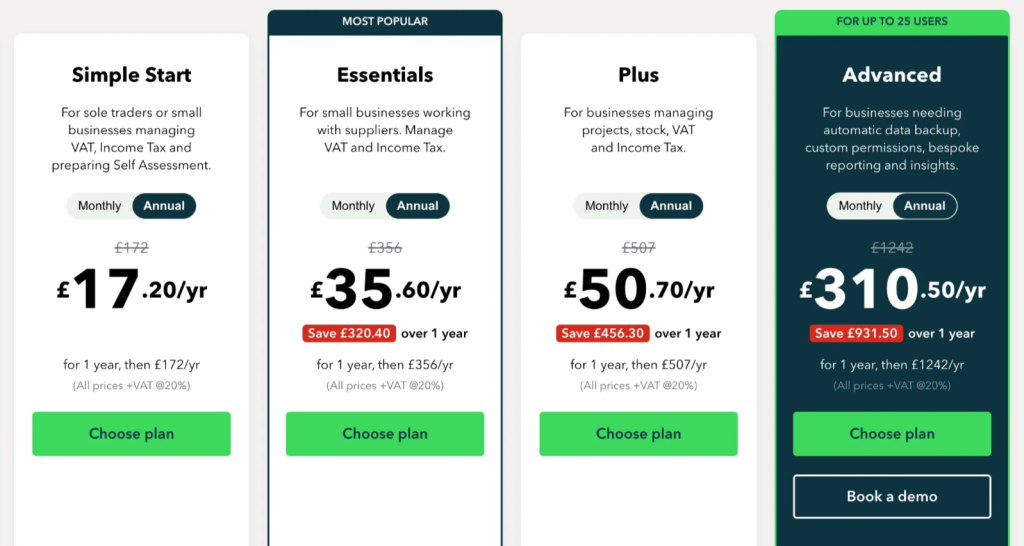
When it comes to selecting an accounting software solution, the question of cost is always a key consideration. In 2026, both QuickBooks and Xero have refined their pricing structures, offering a range of plans to cater to businesses of varying sizes and budgets.
However, understanding the “true” cost of these platforms goes beyond the base subscription fees. Factors such as add-on services, user fees, and the long-term value proposition of each platform must be carefully evaluated. By considering the comprehensive cost of ownership, businesses can make an informed decision that aligns with their financial goals and budget.
Customer Support Benchmarks: 24/7 Digital vs. Human-to-Human Support
In the world of business software, the quality of customer support can make or break a user’s experience. Both QuickBooks and Xero have invested heavily in their support offerings, but with different approaches.
QuickBooks has maintained its reputation for providing 24/7 digital support, with a comprehensive knowledge base, chatbots, and self-help resources. Xero, on the other hand, has focused on delivering personalized, human-to-human support, with a team of knowledgeable specialists available to assist users with their queries and concerns.
Security and Data Protection: Comparing 2026 Encryption Standards
In an era of heightened cybersecurity concerns, the security and data protection capabilities of accounting software have become increasingly important. Both QuickBooks and Xero have made significant investments in strengthening their security protocols and encryption standards to safeguard their customers’ sensitive financial information.
Businesses evaluating these platforms in 2026 should closely examine the measures taken by each provider to ensure the confidentiality, integrity, and availability of their data, as well as their compliance with industry-standard regulations and best practices.
Get Started with QuickBooks:
To get started with QuickBooks, visit their website at www.intuit.com/quickbooks and click on the “Free Trial” button to begin your journey. The platform’s intuitive setup process and comprehensive onboarding resources will guide you through the initial configuration, ensuring a smooth transition for your business.
Get Started with Xero:
If you’re interested in exploring Xero, head over to www.xero.com and click on the “Free Trial” option to begin your free trial. Xero’s user-friendly interface and step-by-step guidance will help you set up your account and start managing your finances with ease.
Regardless of your choice, investing in a robust, AI-powered accounting solution like QuickBooks or Xero in 2026 can be a game-changer for your business, empowering you to make informed decisions, streamline your financial processes, and drive sustainable growth. Take the first step today and discover the power of these accounting giants.

FAQs
Q: What are the key differences between QuickBooks and Xero in 2026?
A: The main differences lie in their AI-driven features, user experience, integration capabilities, and support models. QuickBooks excels in its comprehensive feature set and enterprise-level functionality, while Xero offers a more modern, user-friendly interface and a flexible, open ecosystem approach.
Q: How do the pricing structures of QuickBooks and Xero compare in 2026?
A: Both platforms offer a range of pricing plans to cater to businesses of different sizes and budgets. Understanding the “true” cost, including add-ons and long-term value, is crucial when evaluating the overall affordability and value proposition of each solution.
Q: Which platform is better suited for businesses with multiple entities or subsidiaries?
A: In 2026, both QuickBooks and Xero have made strides in their multi-entity management capabilities. QuickBooks’ streamlined approach to consolidating financial data may appeal to larger, more complex organizations, while Xero’s flexible, cloud-based model may better suit businesses that need to adapt quickly as they scale.
Q: How do the mobile app experiences of QuickBooks and Xero compare in 2026?
A: Both platforms have invested heavily in their mobile applications, offering comprehensive accounting tools and real-time insights for on-the-go business owners. QuickBooks’ feature-rich mobile app caters to users who require a deeper set of functionalities, while Xero’s “mobile-first” approach prioritizes a seamless, intuitive user experience.
Q: Which platform offers better customer support and training resources in 2026?
A: QuickBooks is known for its extensive self-help resources and 24/7 digital support, while Xero focuses on delivering personalized, human-to-human assistance. Businesses should consider their preferred support model and the level of training and guidance they require when choosing between the two platforms.
The Final Verdict: Which Software Should You Choose for Your 2026 Business?
The battle between QuickBooks and Xero in 2026 is a testament to the dynamic nature of the accounting software landscape. Both platforms offer a robust set of features, innovative technologies, and unique value propositions that cater to the diverse needs of modern businesses.
When it comes to selecting the right accounting software for your 2026 business, there is no one-size-fits-all solution. The choice will depend on a variety of factors, including your company’s size, industry, global footprint, and specific accounting requirements. It’s essential to carefully evaluate the strengths and weaknesses of each platform, as well as their long-term strategic fit with your business goals.
Unlock the full potential of your 2026 business by choosing the right accounting software – QuickBooks or Xero. Take the first step today and start your free trial to discover which platform best fits your unique needs and helps you drive sustainable growth. The future of your financial management is in your hands.
Leave a Reply